The Returning Gaze
Portraits that look back
A portrait is never only a record of a face. It is an encounter shaped by pose, costume, status, and the distance between artist, subject, and viewer. Across the centuries, the gaze grows more complicated.
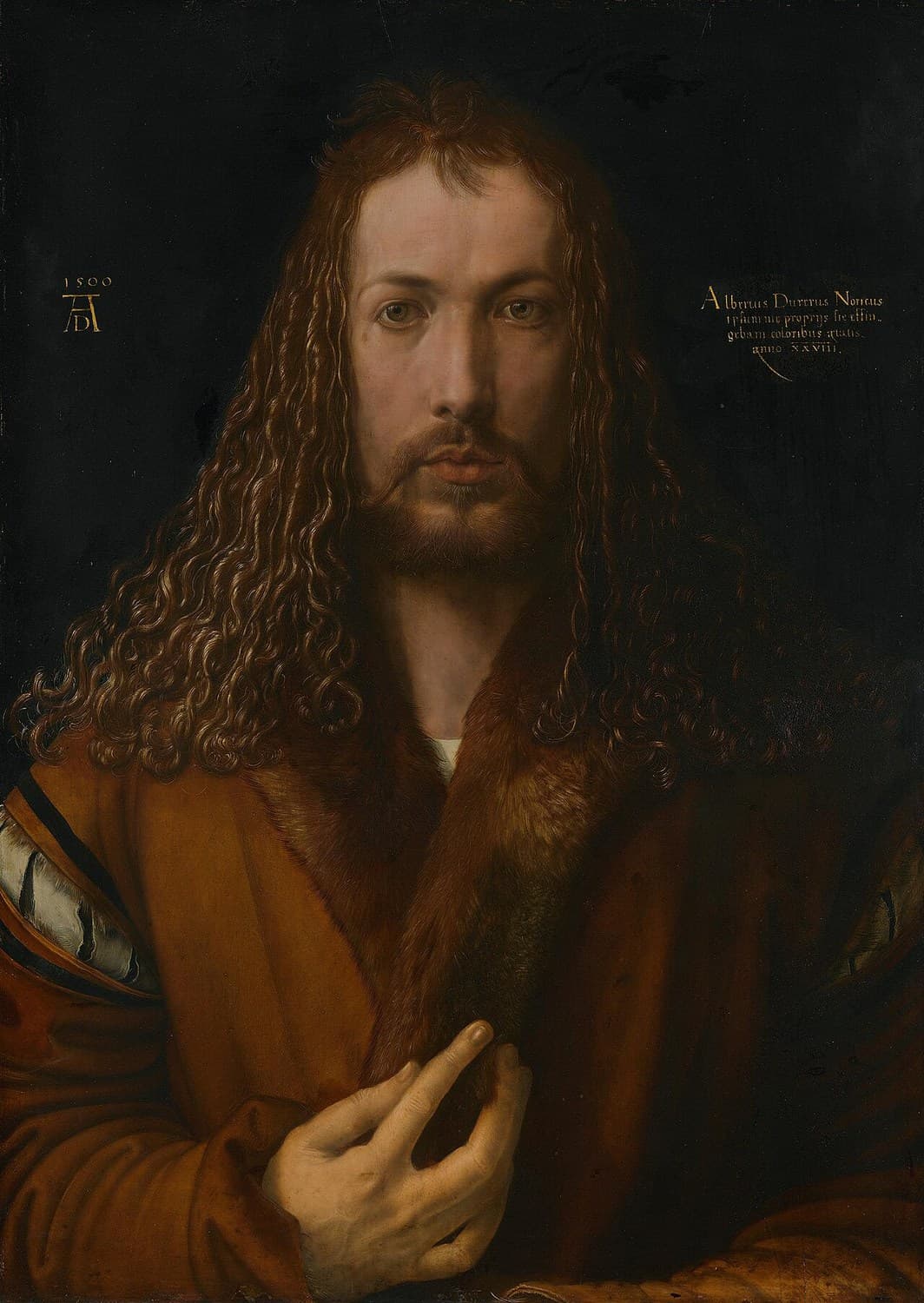
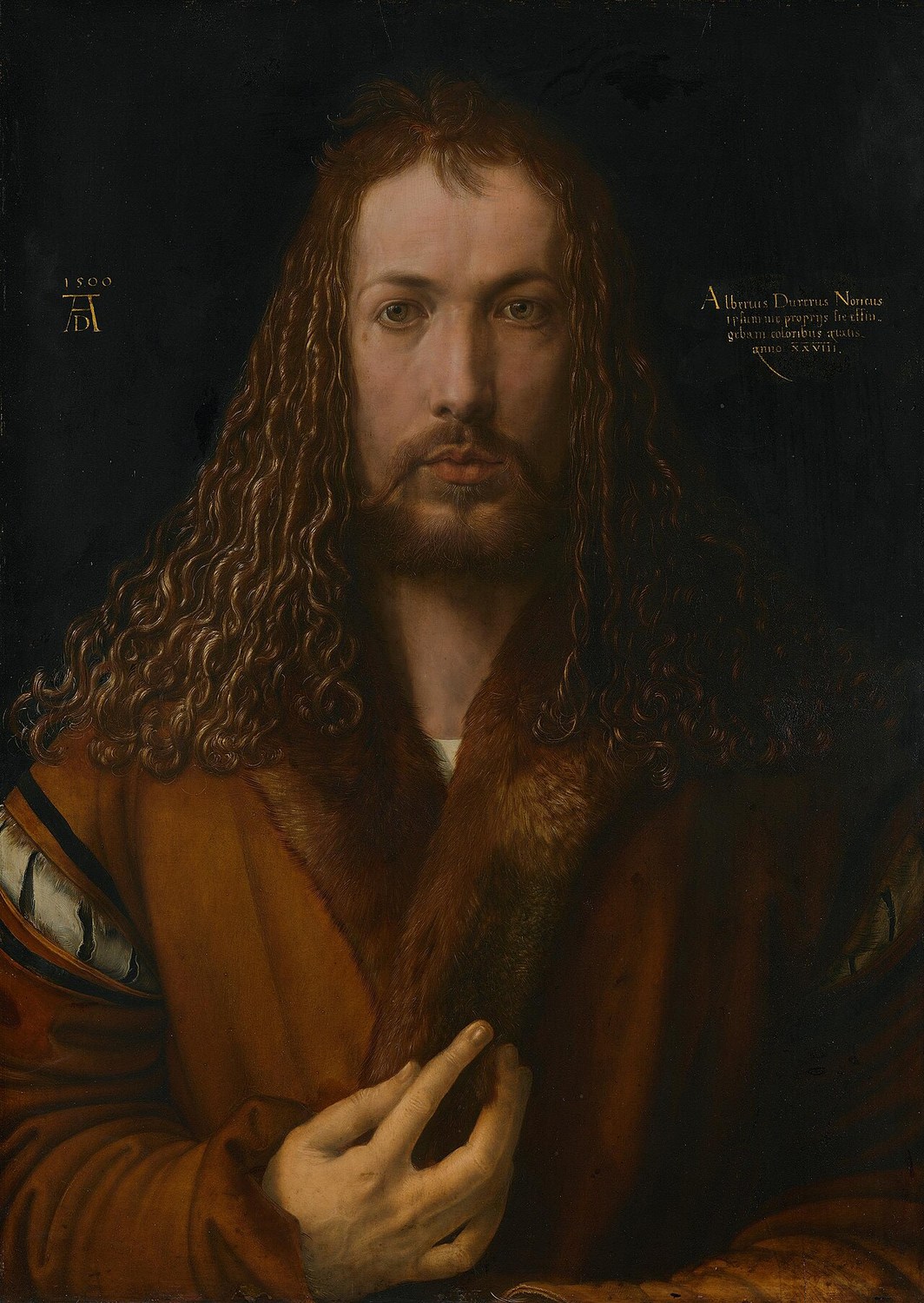
Self-Portrait
Albrecht Dürer · 1500
Dürer looks out with remarkable confidence, turning self-representation into a serious artistic statement.
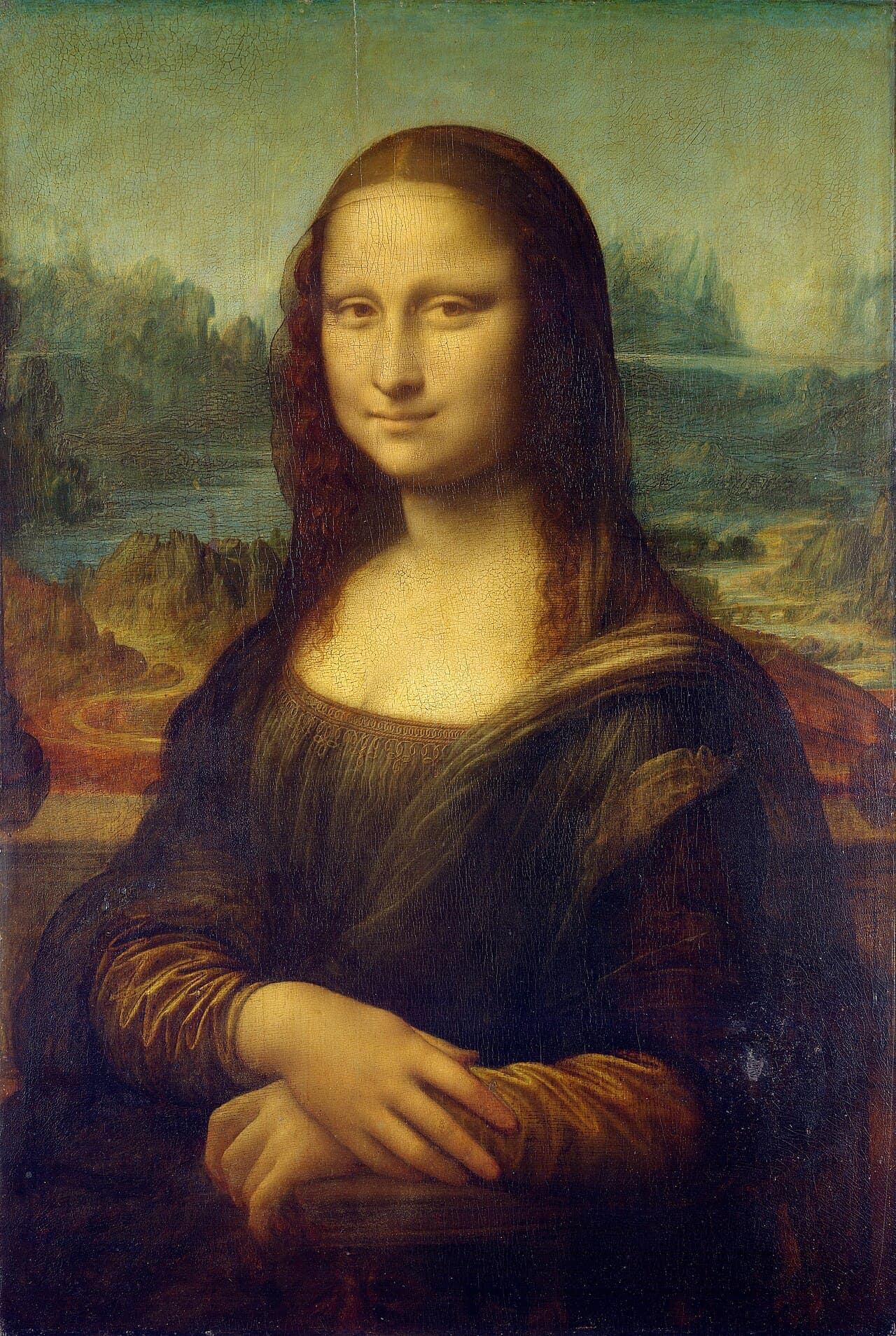
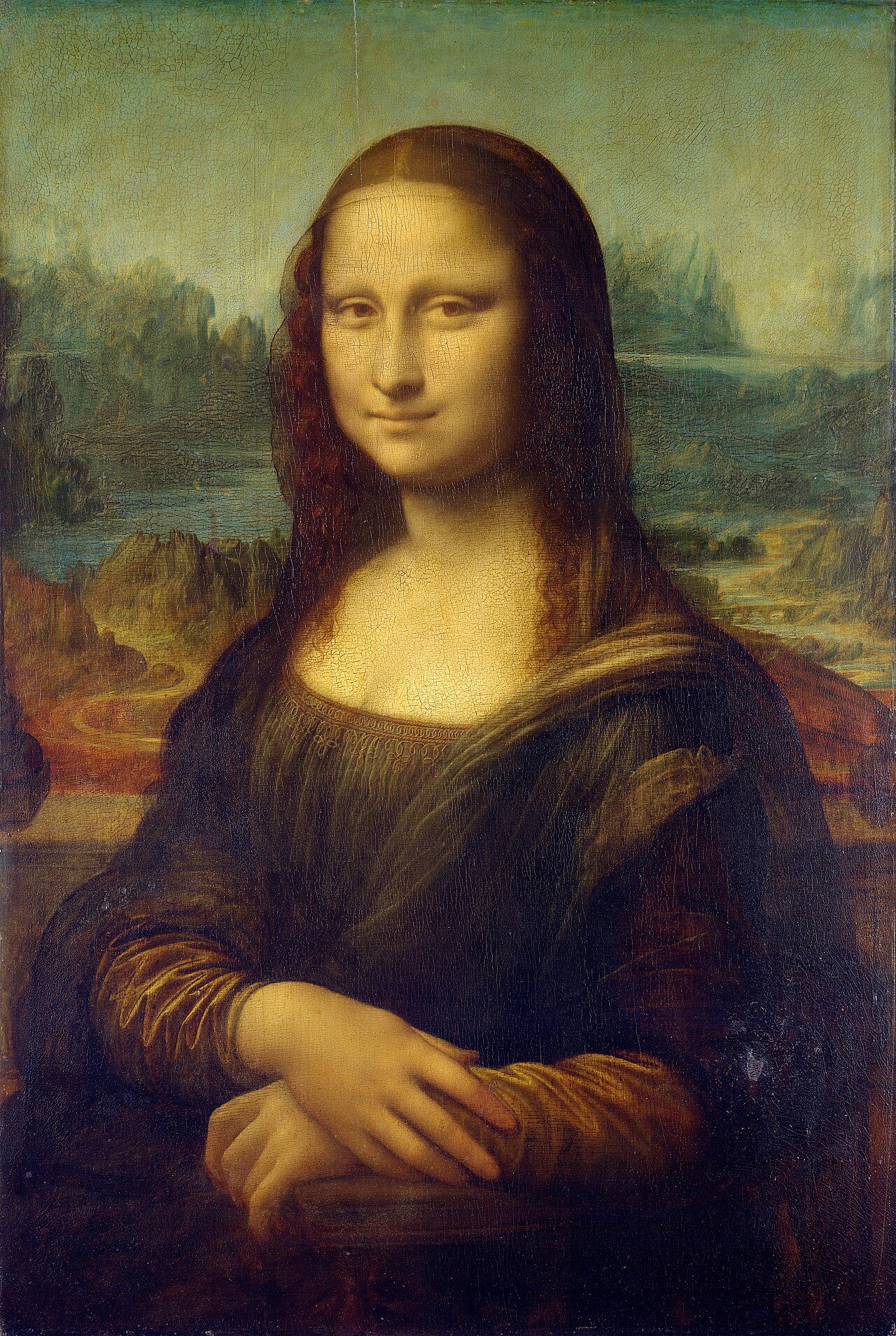
Mona Lisa
Leonardo da Vinci · c. 1503–1519
A barely changing expression keeps the viewer searching for clues that never quite settle.

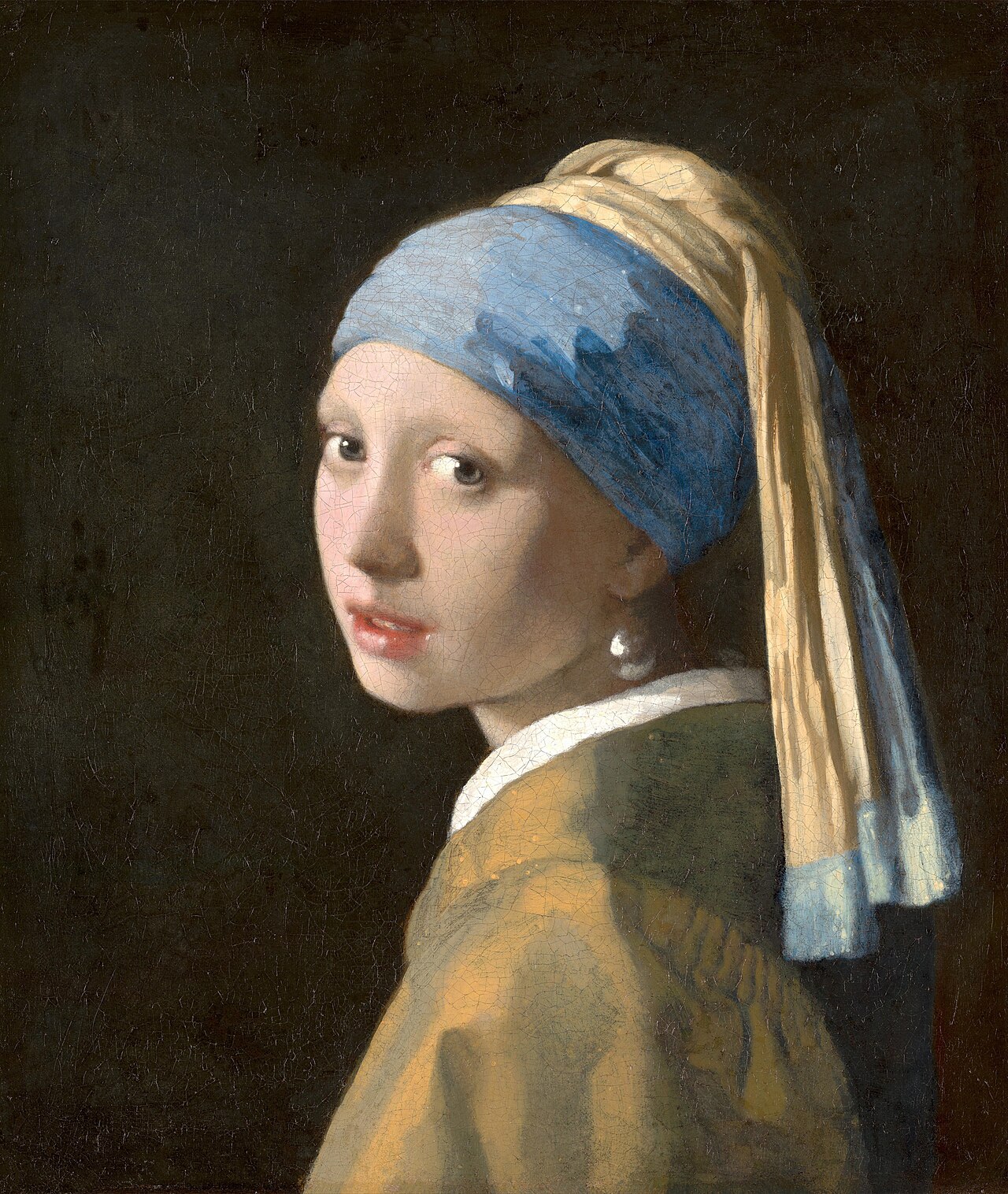
Girl with a Pearl Earring
Johannes Vermeer · 1665
The figure seems to meet us unexpectedly, yet her identity and the exact story remain open.
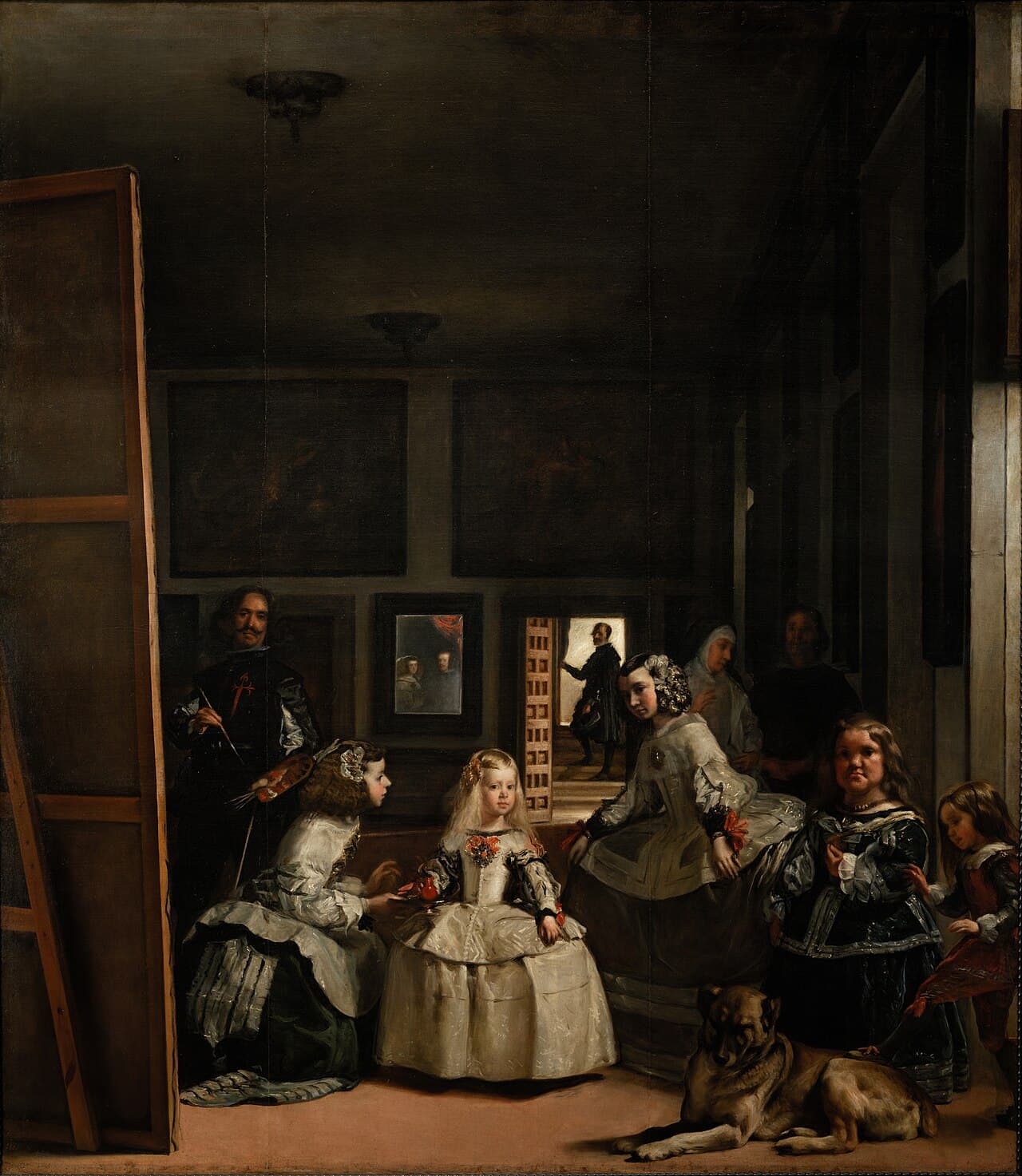
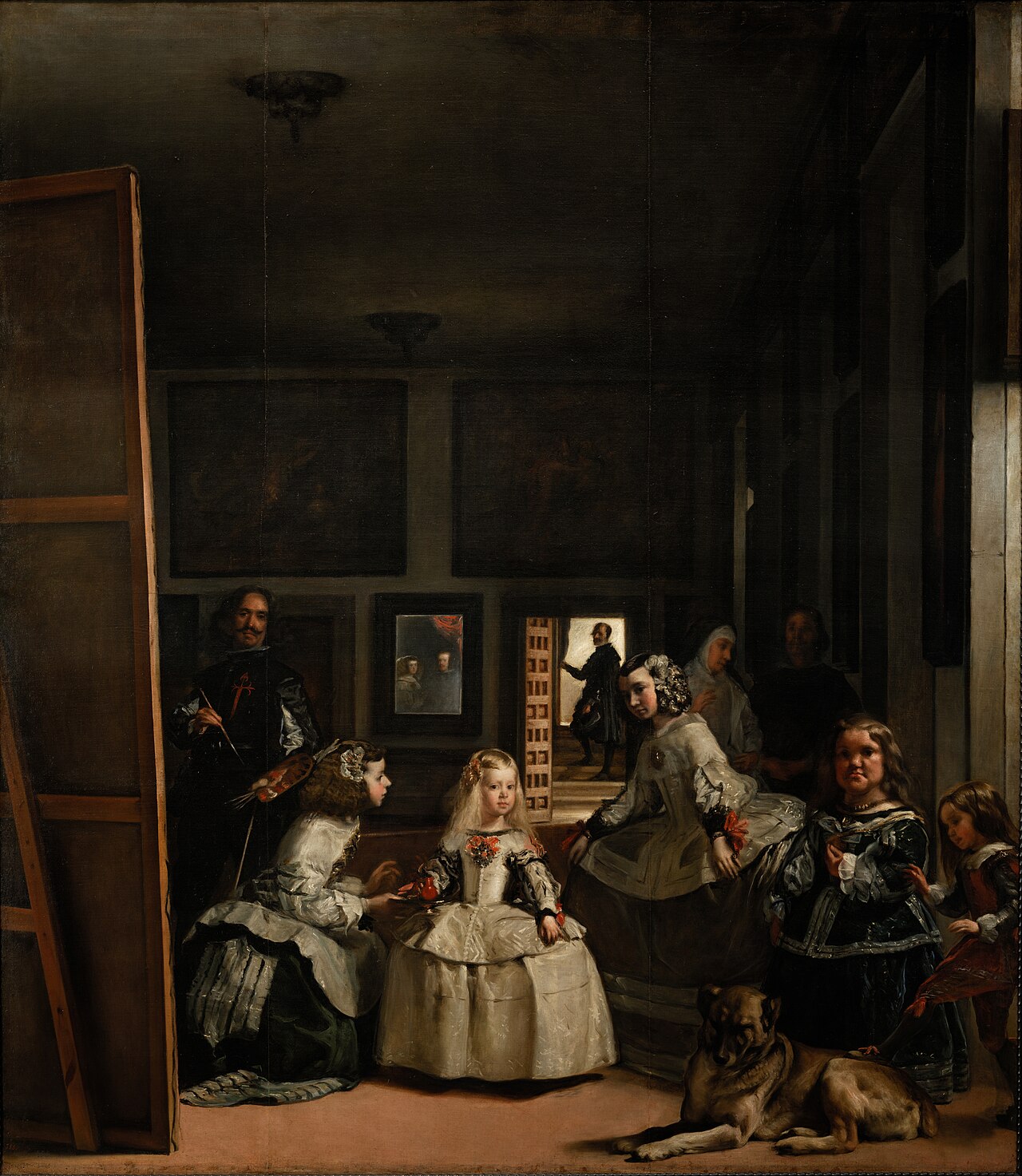
Las Meninas
Diego Velázquez · 1656
The painter, a child, a mirror, and an unseen viewer complicate who occupies the center.

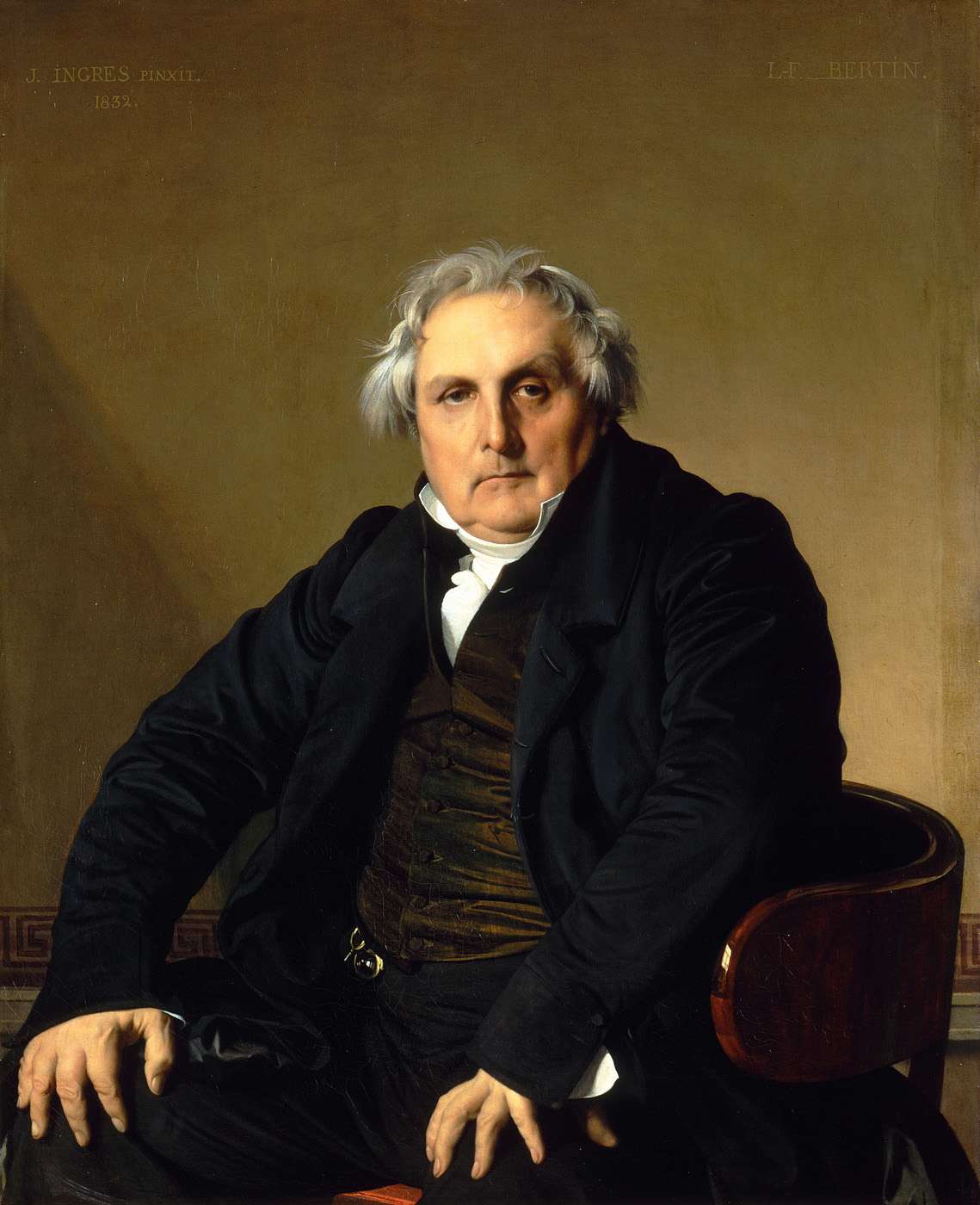
Portrait of Monsieur Bertin
Jean-Auguste-Dominique Ingres · 1832
A sober sitter occupies the frame with unmistakable authority.
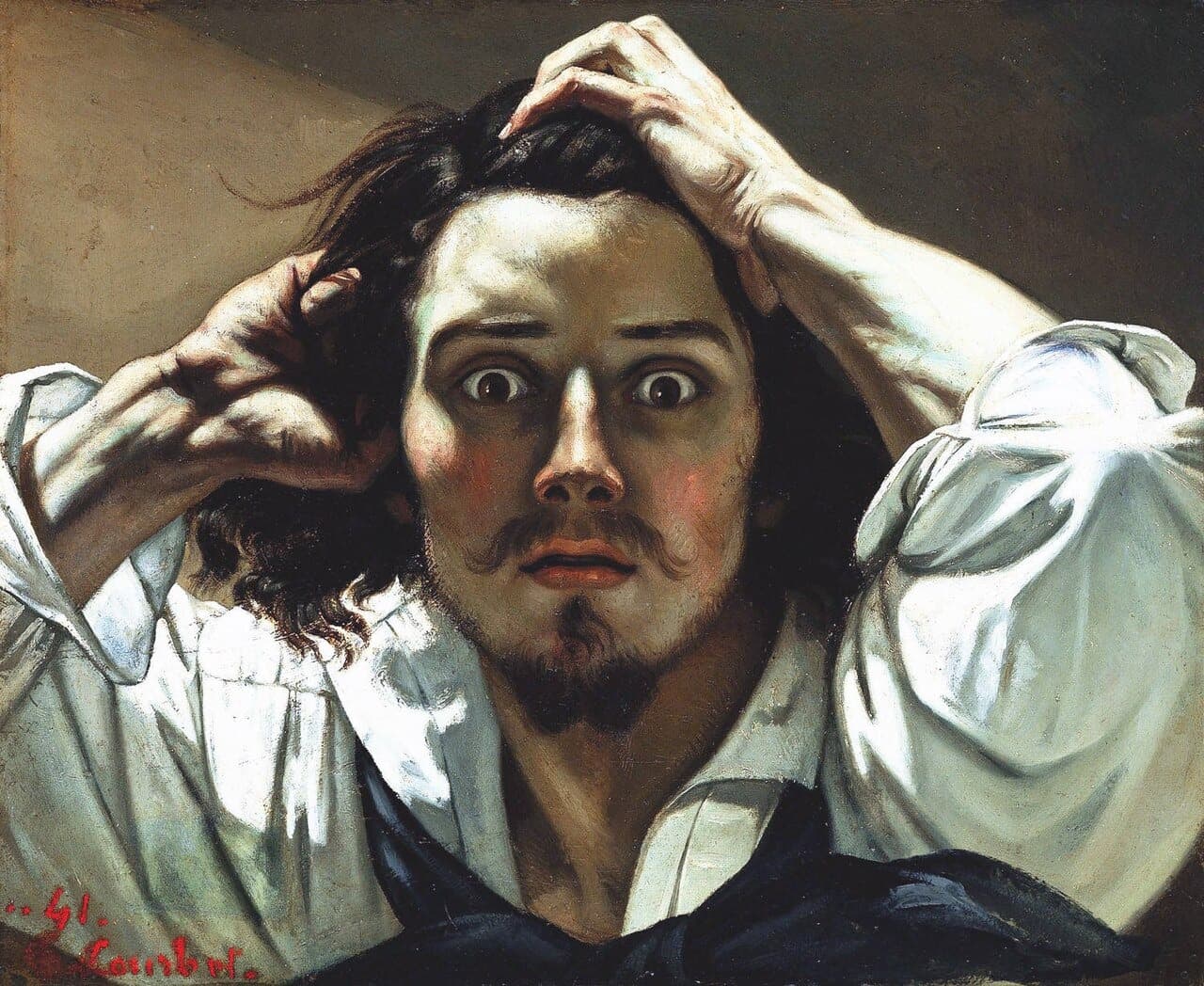
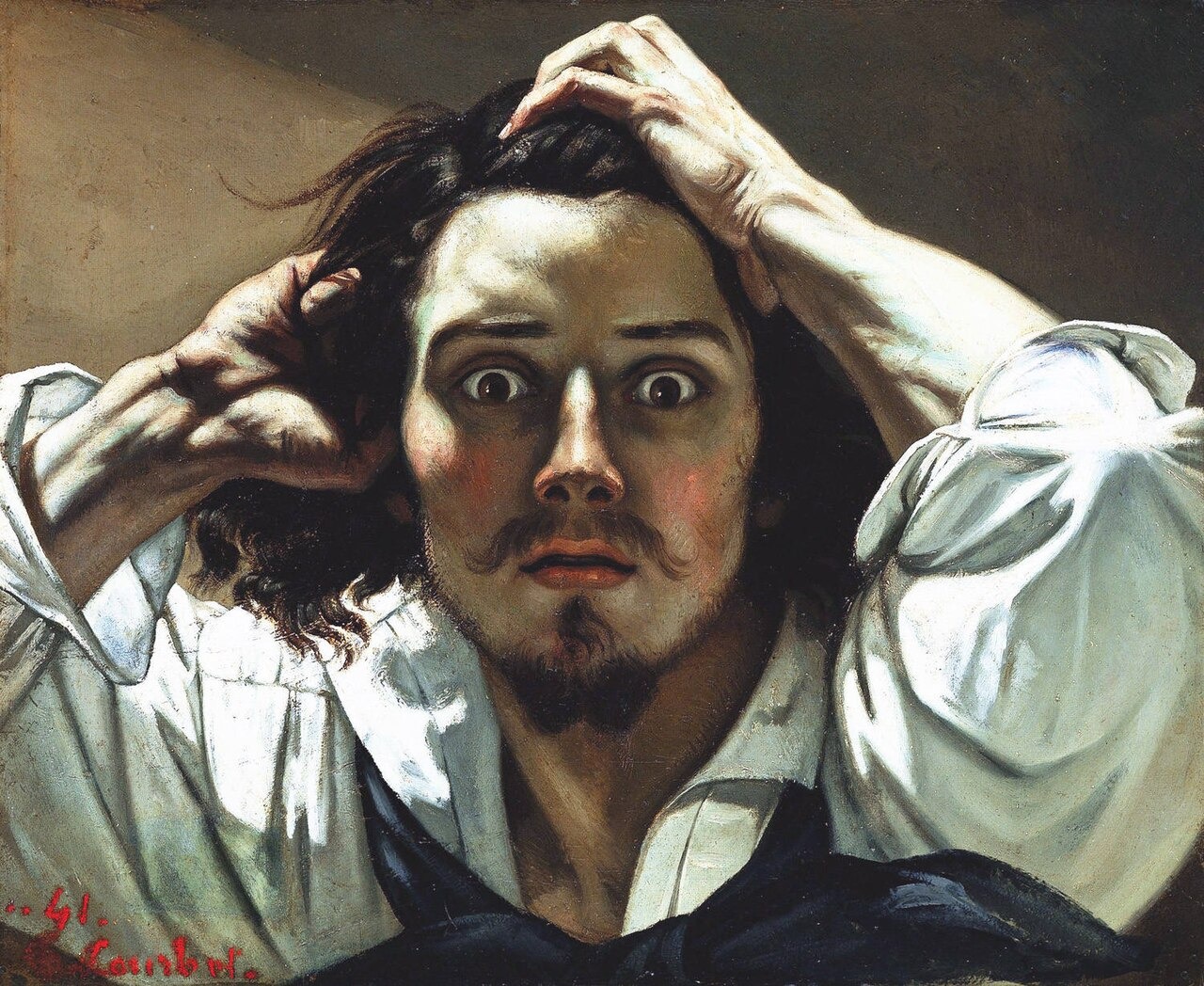
The Desperate Man
Gustave Courbet · c. 1843–1845
Courbet's face appears startled or fiercely alert. The portrait resists a calm, polite reading.

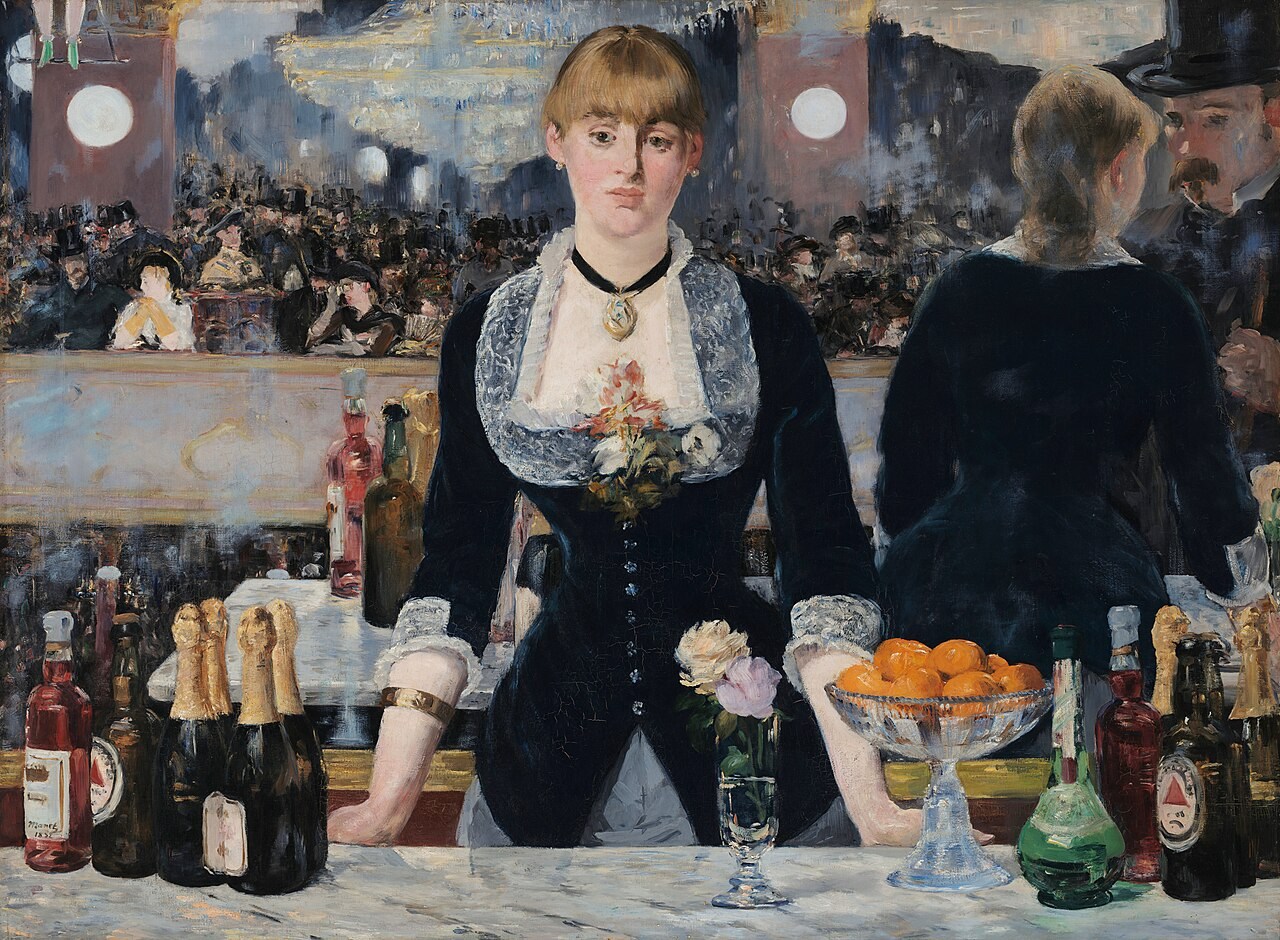
A Bar at the Folies-Bergère
Édouard Manet · 1881–1882
A barmaid meets the viewer while the mirror behind her refuses a simple account of the scene.

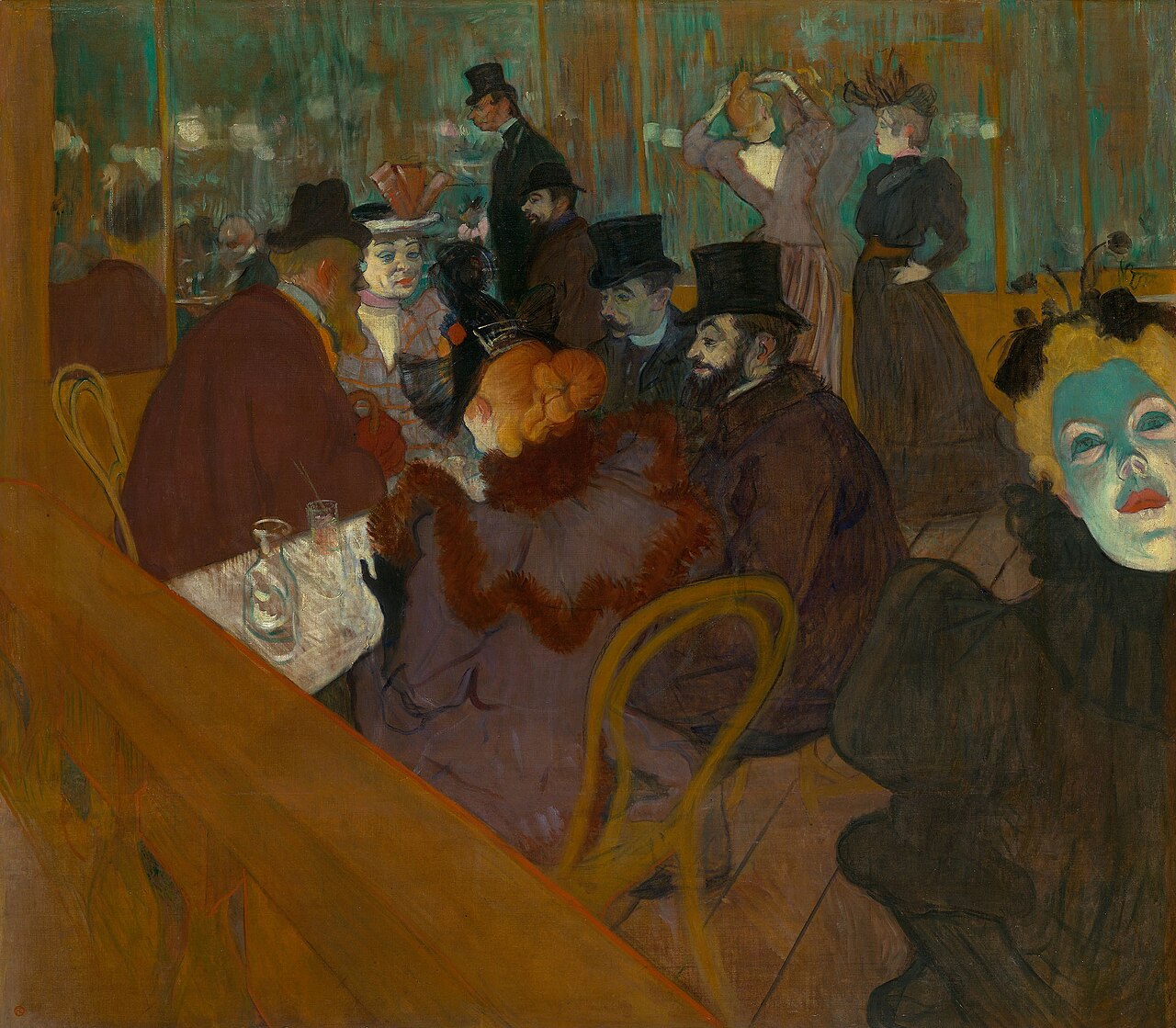
At the Moulin Rouge
Henri de Toulouse-Lautrec · 1892
Cropped figures and dramatic color change a portrait-like encounter into a fragment of city life.
When you look at a portrait, who is really observing whom?